
6 Ways to use the fall daylight savings change for a sleep and life reset
By Jason Wooden, PhD | Oct 29, 2026
There’s more to fall back than getting an extra hour of sleep…
If you’re like me, you REALLY look forward to the fall daylight savings change.
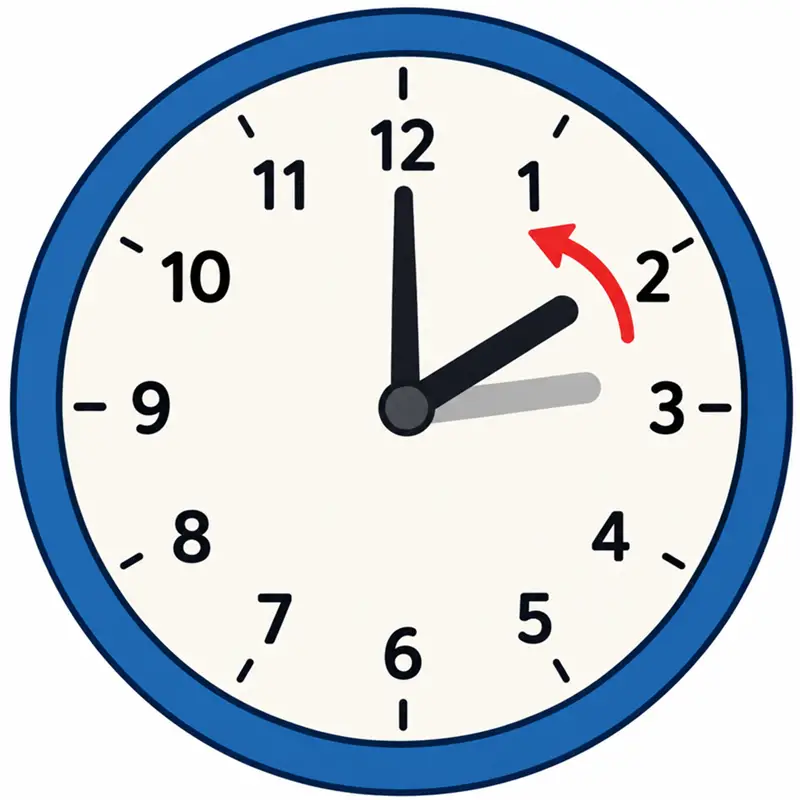
It’s that time of the year when we turn our clocks back one hour and officially switch from daylight saving to standard time.
Unlike the dreaded spring forward time change, we get an extra juicy hour of sleep.
In some ways, it feels like Christmas time…
However, an extra hour of sack time isn’t the only benefit you get from the fall daylight savings time change.
When done right, it’s a chance to set yourself up for better sleep, health, wellness, and productivity.
Better nights AND better days.
If you’re just focused on the bonus hour, you’re really missing out on a lot of other good stuff.
Let’s look at some common fall back mistakes and how you can leverage the fall back for a sleep and life reset.
Avoid these common fall back daylight savings mistakes
Even though fall back isn’t as bad as “springing forward”, there are definitely some downsides.
If not done right, your sleep is going to be off which can leave you moody and less productive.
The darker afternoons can also affect your body’s internal clock, sleep patterns, mood, energy levels, and daily routine.
One mistake easy to make is forgetting to change ALL of your clocks, especially the one in your bedroom, and missing out on that juicy “extra hour”.
Other common mistakes include:
Assuming you automatically get an extra hour
Your body may still wake you up at the normal time.
Abruptly changing your sleep schedule
This can be a shock to your body and sleep-wake clock.
Using the time switch to stay up later
This can disrupt your internal clock, leave you groggy, and delay the adjustment to the new wake up time.
Wasting the extra hour binging on social media or watching TV
Staying up late scrolling online or watching TV can get you wired up and keep you up later than you’re supposed to. There are also the possible effects from electronic screen blue light which signals the brain to wake up.
Staying in bed too long the following Sunday morning
This can confuse the body clock and leave you sluggish…
Missing morning daylight
The body is in tune with day and night. Morning natural light can help the body adjust to the time change.
Fall back the right way
- Gradually adjust your sleep times
- Adjust your time cues for daily routines too
- Set your clocks back the night before
- Go to bed normally
- Get some morning natural daylight
- Be patient
7 Ways to use the fall daylight savings change for a sleep and life reset
Okay, let’s talk about how you get more out of your fall back than an extra hour of sack time.
You can take advantage of the extra hour and brighter morning sunlight for recovery and building habits that can pay dividends over the long term.
Be sure to go to bed at your normal time on Saturday night.

1) Recover from fatigue
Been dragging the past weeks?
You’re not alone. A recent CDC survey found that over 70% of U.S. adults cope with fatigue.
You can use the extra our Sunday morning to catch up on cumulative fatigue…
2) Reset your circadian rhythm
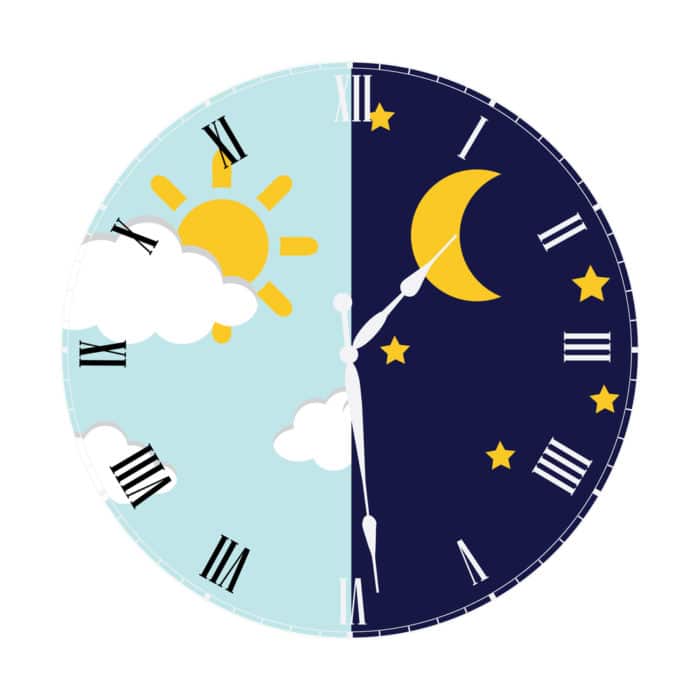
Your body is naturally in tune with day and night. Bright natural light earlier in the day signals your brain that morning has arrived and it’s time to wake up.
Try getting out for a walk in the morning to harness the morning sunlight. It will help with resetting your circadian clock earlier, make you feel more alert during the day, and naturally sleepy at bedtime.

3) Establish a new morning routine
Instead of sleeping for an extra hour, get up as if the time didn’t change and dedicate the quiet early morning for a new routine.
It could be a morning workout, writing, meditation, prayer, journaling, a side project, or any other activity that’s more challenging to do once the everyday distractions kick in…

4) Dieting and nutrition habits
More than 60% of US adults consume food or beverages in the late evening according to a National Health and Nutrition Examination Survey.
There’s growing evidence that this can help improve sleep quality, metabolism and blood sugar control, and support weight management.
Try moving your dinner time a bit earlier, ideally at least 3 hours before bed, to better align with your circadian rhythm.

5) Planning your day
Would you believe nearly 70% of people struggle with planning and time management in daily life?
Use the quiet morning hours to map out your day before you react to incoming emails and notifications. It’s a time when you’ll be less stressed and have better focus.
It will also give you a sense of control.

6) Deep work
Speaking of the quiet morning hours, this is a great time for “deep work”, activities that require sustained focus and cognition.
These are tasks that are hard to perform in the modern age due to distractions from email, texts, phone calls, interruptions from people around you, and background noise.
A recent survey found that only about 1 in 3 workers are able to reach a state of deep focus every day.
Want to get the extra edge in life?
You can use the fall daylight savings change to establish a habit of waking up before your household or getting in before your coworkers to get a block of quiet time for high value tasks. It could be writing, data analysis, coding, planning, or learning a hard skill such as advanced mathematics.
Learn more:
Deep Work: Rules for Focused Success in a Distracted World
Don’t forget about sleep hygiene and underlying issues
To reap the benefits of your sleep and life reset, it’s important to keep your sleep on track.
That makes it important that you keep up with your sleep hygiene, the everyday habits that set the stage for deep restful sleep.
For better sleep hygiene, you should:
- keep consistent wake up & sleep times
- avoid naps
- exercise during the day – great for sleep and mood
- avoid large meals, alcohol, or stimulants such as caffeine before bedtime
- maintain a regular bedtime routine
- avoid using TVs, laptops, or other electronics before sleep
- keep your bedroom dark, cool, quiet, & relaxing
Be sure to see a doctor if sleep has become an ongoing issue.
There’s a long list of underlying issues that affect sleep, including chronic pain, digestive issues, and undiagnosed sleep disorders such as sleep apnea.
Lastly, stress, anxiety, and depression are some of the most common challenges for sleep.
You can chat with a mental health specialist if anxiety or depression at bedtime is something your struggle with.
Connect with us:
About Us
Better Sleep Simplified® was founded as a place for you to get clear and well-researched information.
Our goal is to make sure you know about your options so that you take action sooner rather than later.
Check us out on YouTube:
Watch and Learn
Helpful sleep tips, interesting sleep facts and statistics you want to know about
Affiliate Disclosure
This site is a participant in the Amazon Services LLC Associates Program and other affiliate advertising programs designed to provide a means for sites to earn advertising fees by advertising and linking to them.
Important: BetterSleepSimplified.com is for informational purposes only and is not intended or implied to be a substitute for professional medical advice, diagnosis, or treatment. Always consult a physician for sleep and health concerns. See additional information.