

Winter blues or summer seasonal depression ruining your sleep? – 10 things to do for better mood and nights
By Jason Wooden, PhD | February 4, 2026
Whether it’s winter blues or summer SAD, seasonal changes in daylight, mood, and lifestyle can cause sleep problems. If not careful, there’s the risk of a downward spiral between depression and sleep. We list practical remedies including light therapy, vitamin D supplements, and cognitive behavioral therapy.
In this article, we talk about:
1) The link between seasonal depression and sleep
2) Another BIG reason seasonal depression is bad for sleep
3) Can seasonal depression make you tired?
4) Can seasonal depression make it harder to fall asleep?
5) Does seasonal depression make it harder to wake up in the morning?
6) 10 seasonal depression and sleep remedies
7) When to get help
Why seasonally depressed people struggle with sleep
Ready or not, it’s that time of the year where sleep for millions of seasonally depressed individuals goes off the rails.
Like this 26-year-old complaining about going through 2 – 3 rounds of seasonal depression EVERY YEAR with poor sleep…
Or this recent thread where someone who’s been sleeping poorly for months and it’s starting to affect their relationship…
If this rings a bell, there’s an official name for it – seasonal affective disorder (SAD).
Individuals who struggle with this disorder experience mood changes and symptoms similar to depression as the seasons change which can seriously affect how you feel and behave. It’s estimated to affect around 10 million individuals in the US alone.
Some signs of seasonal depression:
- Feeling sad
- Loss of interest in activities you enjoy
- Changes in appetite and weight gain
- Change in sleep
- Loss of energy or increased fatigue
- Social withdrawal
- Feeling worthless or guilty
- Difficulty thinking, concentrating, or making decisions.
- Thoughts of death or suicide
Source: APA
And it’s more common in women, younger people, and people who live far from the equator.
During the winter, the mood change is triggered by shorter, darker, colder, and wetter days whether from rain or snow.
Less sunlight means lower levels of the “feel good” hormone serotonin which can affect mood. The body’s natural sleep-wake clock can also get confused due to delayed melatonin production.
Other factors play a role such as grief, loss of purpose, the turn of the annual calendar, and colder temperatures which can make it harder to fall asleep.
While more common in the winter, the onset of summer can also trigger SAD in individuals for varying reasons.
Longer summer days and exposure to sunlight can affect the body’s sleep-wake cycle and hormonal balance. Other things included genetic factors, lifestyle changes, and summer stressors like heat or humidity may come into play.
Is it winter blues or summer seasonal depression?
Signs of winter SAD:
• Oversleeping
• Overeating and weight gain
• Social withdrawal
Signs of summer SAD:
• Trouble sleeping
• Poor appetite leading to weight loss
• Restlessness
• Anxiety
• Violent or aggressive behavior
Source: NIH
Here’s another BIG reason seasonal depression is bad for sleep…
Did you know there’s a powerful connection between mood and sleep?
In fact, poor sleep is a common symptom of depression whether its difficulty falling asleep, staying asleep, or waking up too early. So, it’s no surprise that disrupted sleep is also a hallmark symptom of seasonal depression.
What’s worse is the bi-directional relationship between depression and sleep where one can trigger more other. If you’re not careful, you may get in a downward spiral.
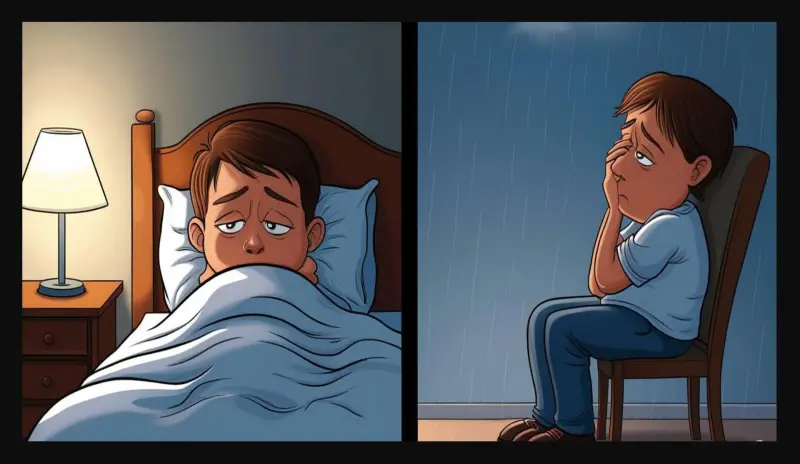
What’s worse is the bi-directional relationship between depression and sleep where one can trigger more other. If you’re not careful, you may get in a downward spiral.
Feeling down makes it harder to sleep…
And after a bad night of sleep you’re more likely to wake up feeling down.
Whether it’s winter blues or summer SAD, changes in daylight, mood, and lifestyle work against regular sleep.
Can seasonal depression make you tired?
Yes, seasonal depression can cause tiredness, especially in the fall and winter.
In fact, an American Psychiatric Association poll of 2,201 adults, 28% of respondents said they were more fatigued and 41% wanted to sleep more in the wintertime.
Winter SAD is linked to overproduction of hormones which affect mood and sleep.
Because the days are shorter and darker, there’s less sunlight exposure which signals the body to make less of the “feel good” hormone serotonin and too much of the “feel sleepy” hormone melatonin. In turn, this can cause individuals to feel more down and excessively tired.
Does seasonal depression make it harder to fall asleep?
Yes, difficulty waking up is a common symptom of winter SAD.
Curious why?
The lack of sunlight exposure disrupts the body’s circadian clock and melatonin production. This can cause you to want to sleep longer and wake less refreshed.
You’re not alone if this has become an issue for you. Based on this American Psychiatric Association poll, more than a third of adults sleep more in the winter.
Unfortunately, oversleeping can get your sleep-wake cycle even more out of whack if you’re not careful. It may also worsen feelings of depression since when you eventually get up you may feel you missed out on the day and you’re behind on things.
Does seasonal depression make it harder to wake up in the morning?
Yes, difficulty waking up is a common symptom of winter SAD.
Curious why?
The lack of sunlight exposure disrupts the body’s circadian clock and melatonin production. This can cause you to want to sleep longer and wake less refreshed.
You’re not alone if this has become an issue for you. Based on this American Psychiatric Association poll, more than a third of adults sleep more during the winter.
Unfortunately, oversleeping can get your sleep-wake cycle even more out of whack if you’re not careful. It may also worsen feelings of depression since when you eventually get up you may feel you missed out on the day and you’re behind on things.
10 Things to do for seasonal depression and poor sleep
Now, we get to the good news. There’s definitely reason for hope since there’s plenty you can do to avoid the cycle of poor sleep and depression.
Unlike the ancients we know a lot more about how the mind, mood, body, and habits interact to affect health and well-being.
Depending on your specific issues, there are plenty of things you can do to improve your mood and sleep:
1) Improve your sleep hygiene
If you’re struggling with seasonal depression and sleep, why make things any harder than they already are?
Make sure you’re practicing good sleep hygiene, the everyday habits that can make or break sleep:
- keep consistent wake up & sleep times
- avoid naps
- exercise during the day
- avoid large meals, alcohol, or stimulants such as caffeine before bedtime
- maintain a regular relaxing bedtime routine
- avoid TVs, laptops, or other electronics before sleep
- keep your bedroom dark, cool, quiet, & relaxing

2) Physical activity
Besides promoting sleep, exercise is a natural mood booster. It’s also great for stress and many other things.
One study found that walking for 30 minutes daily reduced the risk of depression by 25%.

3) Get more natural daylight
Did you know exposure to natural daylight boosts mood? It can also help keep your sleep-wake on schedule which will make it easier to fall asleep at bedtime.
For added benefits, try combining your exercise with outdoor daylight.

4) Light therapy (for winter SAD)
Speaking of light, here’s an all-natural remedy that’s designed to combat the effects of fall and winter darkness. It involves sitting near a light source in the morning to balance serotonin levels and circadian rhythm.
Studies show that light therapy can significantly improve mood in individuals with seasonal depression. It’s also been shown to be helpful for sleep problems.
Light boxes and lamps are designed to mimic outdoor light. These days they are now high-tech light therapy glasses which use small light-emitting diodes to bring the light source closer to the eye.
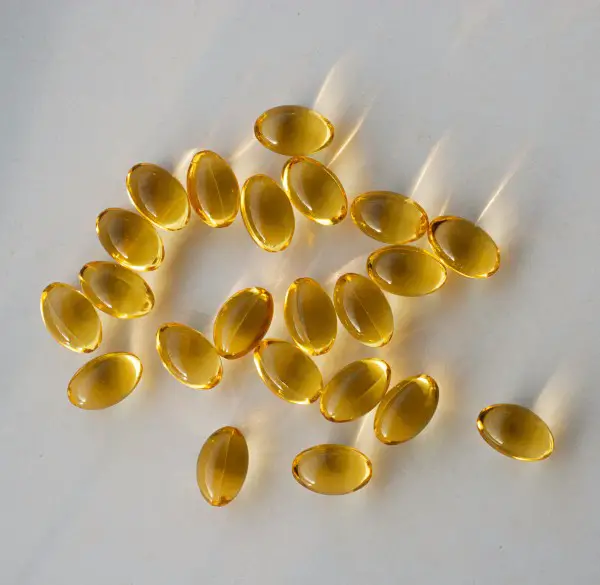
5) Vitamin D supplementation
Did you know serotonin, linked to both mood and sleep, is dependent on vitamin D?
A doctor may recommend taking a vitamin D supplement since many individuals with winter seasonal depression have vitamin D deficiency.
6) Connect with others
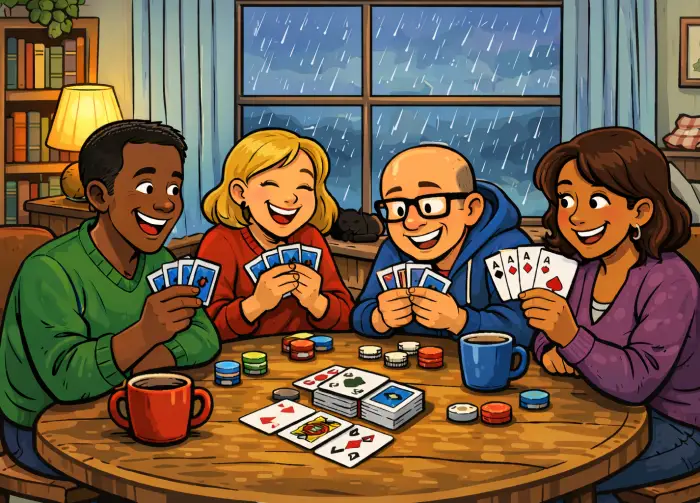
Social interaction can help combat seasonal depression and it’s effects since isolation can worsen symptoms. In fact, social withdrawal and loss of interest in activities are common symptoms of SAD.
Conversely, social interaction can boost mood and promote feelings of belonging.
So get out and connect with others whether it’s going for a walk, playing a card game, or having a chat.

7) Unplug from social media
There’s nothing like the news and social media to get you wired up. Constant doom scrolling can trigger stress, the body’s fight or flight response, anxiety, and depression.
Unhealthy comparisons to “perfect lives” online can worsen feelings of isolation and inadequacy, especially during the holidays.
It’s also bad for sleep.
So, take a break from social media and do something else you enjoy whether it’s gardening, fishing, crafts, or watching a comedy.

8) Cognitive behavioral therapy
We’ve already talked about the strong link between mood and sleep. A type of counseling known as cognitive behavioral therapy is one of the most effective treatments for anxiety, depression, stress, insomnia, and many other challenges.
It’s a collaborative process where the therapist helps you identify and change thoughts and behaviors related to mood and sleep.

9) Prescription meds
A doctor may recommend antidepressant meds either alone or combined with other treatments like light therapy.
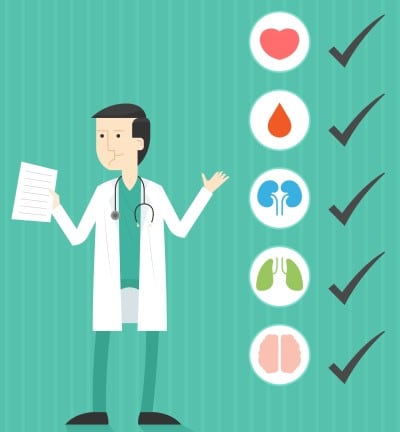
10) Get a checkup
A doctor can check for underlying health issues that affect sleep and mental health. There’s a long list of medical issues that can cause sleep problems.
And various medical conditions linked to depression…
When to get help
So, not sure if seasonal depression is really what got you feeling down or sleeping more poorly? Whether it’s winter or summer, be sure to get help if these symptoms have become an ongoing challenge for you.
Untreated SAD can lead to serious mental health and physical health consequences.
There’s also the toll it can take on relationships and performance academically or on the job
A doctor and a mental health specialist can get you diagnosed, check for other medical issues linked to depression, and help you come up with a plan to get things back on track.

Connect with us:
About Us
Better Sleep Simplified® was founded as a place for you to get clear and well-researched information.
Our goal is to make sure you know about your options so that you take action sooner rather than later.
Check us out on YouTube:
Watch and Learn
Helpful sleep tips, interesting sleep facts and statistics you want to know about
Affiliate Disclosure
This site is a participant in the Amazon Services LLC Associates Program and other affiliate advertising programs designed to provide a means for sites to earn advertising fees by advertising and linking to them.
Important: BetterSleepSimplified.com is for informational purposes only and is not intended or implied to be a substitute for professional medical advice, diagnosis, or treatment. Always consult a physician for sleep and health concerns. See additional information.